




Key Takeaways
- Facebook’s ranking system treats Group posts differently from Page posts, which can extend your business’s reach within a Group.
- A strong marketing strategy uses Facebook Pages for wide visibility and Groups for deeper community engagement.
- Learning how to grow a Facebook Group starts with broad, creative-first Facebook ads. It’s no longer about the granular interest-stacking that used to work.
- Membership questions help you qualify leads up front, and consistent value posts keep them engaged long enough to sell privately (not in the Group feed).
- You can monetize Groups in various ways, but only once the community is established and users understand the Group’s value.
Marketers rely on good strategy to reach their target audiences, and one of those strategies is harnessing the power of Facebook Groups.
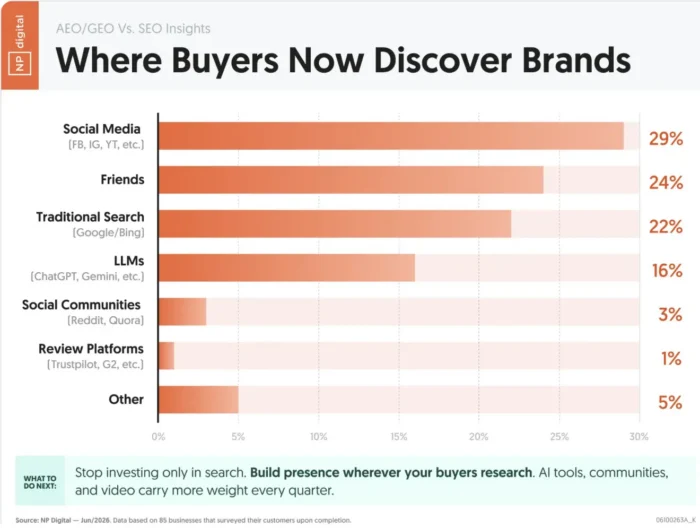
With more than 3 billion monthly active users, 1.8 billion of whom participate in Facebook Groups, these online communities are great places to engage with your audience.
Facebook Groups are where users connect over common interests. For your business, that means direct access to people who already want to hear from you. That kind of engagement can boost your brand and give you valuable insights about your audience.
This guide will cover how to use Facebook Groups for marketing strategies. You’ll learn how to grow your audience, generate leads, measure results, and monetize your Group.
Let’s get started.
Why Facebook Groups Work for Marketing
Two things make Facebook Groups effective for marketing: how the algorithm treats Group content, and the kind of audience that shows up to participate.
- Algorithm advantage. Facebook’s own Feed Ranking documentation confirms Groups get a dedicated ranking system that is designed for community engagement. Some businesses that use Groups may reach a higher share of users than just posting in their feed. Meta’s Widely Viewed Content Report for Q1 2026 shows that over 14 percent of posts users see are from their Groups.
- Opt-in audience quality. Joining a Group is a more deliberate action and a stronger signal of intent than liking a Page because users are choosing to enter a community, not just like your Page. When users opt in to your Group, they may be more likely to see and engage with your posts, which can be a valuable source of lead generation.
Combine the algorithm advantage and the high intent behind opt-ins, and it’s clear why a Group can be more effective than a business Page alone.
Pages are important and build brand awareness, but Groups let you nurture relationships with users who have real potential to become customers. Plus, you can do it in a more personal, targeted way.
Facebook Groups vs. Facebook Pages: What’s the Difference?
People often treat Pages and Groups as interchangeable, but they’re quite different. Both belong in your marketing strategy, but they play different roles in how you reach and engage your audience.
A Page is a one-to-many broadcast channel. It’s your public brand presence: the official updates, ads, and content that anyone can see, whether or not they follow you.
A Group is a many-to-many community space. It’s built for conversation, customer feedback, lead nurturing, and the back-and-forth that builds relationships over time.
Your business Page attracts a broader audience and gives you a place to run ads. A Group converts that audience into an engaged community that wants to interact with your brand and others who follow it.
Here’s the quick breakdown:
| Facebook Page | Facebook Group | |
| Purpose | Public brand presence | Community and conversation |
| Communication style | One-to-many | Many-to-many |
| Organic reach | Low, algorithm-limited | Higher, algorithm-favored |
| Ad capability | Full ad support | Ads not supported |
| Best for | Awareness, official updates | Engagement, loyalty, lead nurturing |
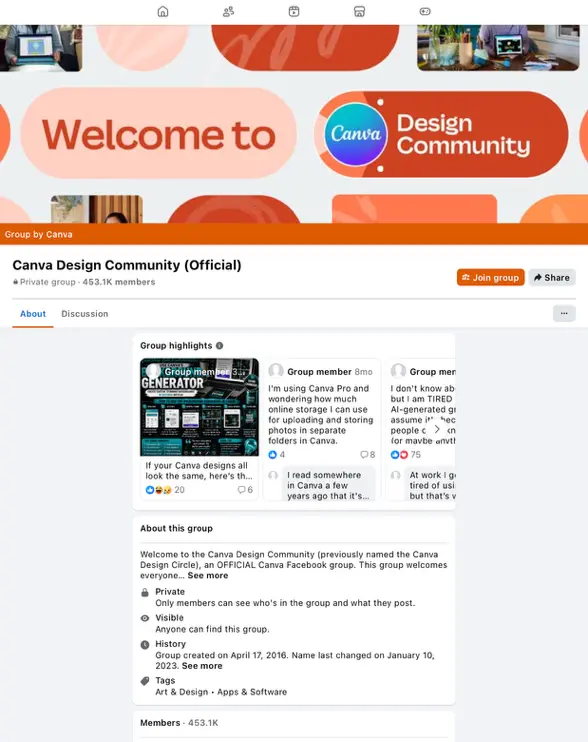
Who Is Your Facebook Group For
Before starting a Group, figure out who your Group is for.
If the goal of your Group is to generate leads for your business, it should attract your ideal customers.
For example, say you’re a graphic designer who wants to work with small businesses or startups. Your Group should provide valuable tips for small business owners, like how their brand can help them stand out.
You should also have a specific target market in mind for your Facebook Group to help it appear in search results.
Facebook Group promotion starts with a keyword-rich name that makes your Group easier to find in search results. For example, if you have a dog training business that specializes in Labradors, a name like “Labrador dog training” is better than “dog training,” which could get lost in thousands of search results.
How to Set Up Your Facebook Group for Marketing Success
Setting up a Facebook Group is simple, but you also want it to support your overall marketing strategy. Use Facebook’s setup documentation for step-by-step instructions on Group setup:
- Set your Group to private. This makes it exclusive and lets you screen users. That way, you attract only those who really want to engage with your brand. A public Group lets anyone view the content without joining, removing the incentive to become a member.
- Make your Group name specific and keyword-rich. A precise name attracts the right members and performs better in Facebook’s search.
- Write a clear Group description. Potential members use this to decide if your Group offers content they want, so make the purpose clear in the first sentence.
- Ask questions when users request to join. Their answers offer valuable information to support lead generation and help you tailor your Group’s content.
- Set clear Group rules. This helps reduce spam and keeps members from turning your Group into their own ad channel.
- Use a branded image for your cover photo. It should match your Page’s aesthetic and reinforce what your Group is about. Avoid stock photos, and use a real image tied to your brand.
Get these six decisions right, and your Group is set up for success.
Now, let’s dive into how to grow it now that your Group is set up.
How to Grow Your Facebook Group
Growing a Facebook Group benefits from a combination of organic and paid.
Start by leveraging the content feed on your existing Facebook page.
Then, use paid strategies like ads and influencers and cross-promote with other brands to jumpstart visibility and engagement.
Grow with Facebook Ads
One of the easiest ways to get people to join your Group is to run targeted Facebook Ads. Running ads requires a Page for your brand, so once you’ve set up a Page, visit Facebook’s Ads Manager to learn more about creating ads.
Andromeda is Meta’s AI-powered system that decides which ads are shown to users across Meta platforms. It scans the copy and creative on ads, then targets users.
This is a big shift from manual audience targeting that was driven by user interests.
Now, targeting inputs are suggestions. Meta’s system can override inputs if it finds a better audience elsewhere. Results vary, so testing is still important.
To grow a group in this new targeting landscape, run a Page Likes or Group Awareness campaign. Set broad geographic and demographic guardrails and let Advantage+ handle the rest.
There’s more to learn about creating a great Facebook ad. For more detailed steps, check out my guide to creating effective Facebook ads.
Grow Without Advertising
More than 3 billion people use Facebook every month, but you only need a small slice of that traffic to grow your Group.
You can do Facebook Group promotion on your Facebook Page to attract followers who want to engage more with your brand and its community. Just make sure Group promotion doesn’t crowd out the valuable content that attracted your Page followers in the first place.
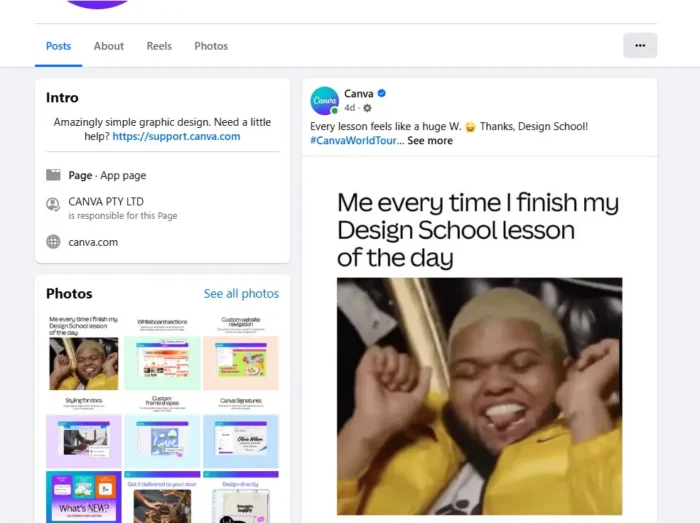
You might post about your Group no more than once a month to avoid annoying people who follow the Page but aren’t interested in joining.
A scheduling tool like Buffer or Hootsuite makes it easy to plan these posts out weeks or even months in advance.
If you have an email list, let subscribers know about the Group, too. They’re often your easiest converts, since they already trust what you have to say.
Cross-Promote in Other Groups
Cross-promotion is another effective strategy to embrace as you learn how to grow a Facebook Group. Post about it in other, related Groups where your ideal members already hang out. It’s a natural way to talk about your brand.
Consider these suggestions for cross-promoting your Group:
- Join relevant Groups and contribute to conversations. Look for natural openings to mention your Group only after you’ve built some trust.
- Cross-promoting your Group in other related Groups is a great way to grow it quickly. However, be mindful of each Group’s rules about self-promotion before posting.
- Look for questions you can answer and leave thoughtful, genuine comments to build relationships with users.
- Contact the Group admin and ask them to help market your Group. In exchange, you could link over to their Group from yours.
Leverage Existing Members and Influencers
You can use your Group’s existing members to help attract new ones. A simple first step is to post in the Group asking people to share it. Let them know you want this to be the best Group for your topic, and that you need their help to do it. People like to feel helpful.
Another option is to run a contest. The winner is the person who brings in the most new members, or you can give away a prize at each membership milestone the Group reaches.
Influencers provide social proof that helps attract new Group members. Connect with influencers who align with your brand by tagging them and engaging with their content. Identify the right influencers, build rapport, then ask if they’d like to support your brand on their page.
The same logic applies to influencers. Engage with their public content, tag them where relevant, and make joining an easy ask. The social proof an influencer brings can attract new Group members curious about your content.
Promote Your Facebook Group on Other Social Media Platforms
Your audience doesn’t only live on Facebook. Promote your Facebook Group on Instagram, LinkedIn, X, and wherever else your audience spends time.
Facebook remains one of the most-used platforms by sheer scale. It had 2.11 billion daily active users in its last standalone disclosure, so even people who use other social platforms will probably still log into Facebook.
Don’t make Group promotion posts one-off announcements. They should be part of your regular content calendar for all social platforms.
If direct promotion doesn’t get more Group members, try gating an asset—a guide, template, or short video—inside the Group instead of promoting the Group itself. Many brands and creators do this by teasing a resource on another platform and telling followers it’s only available inside their Facebook Group.
How to Use Your Facebook Group for Marketing
Growing your Group is only part of the strategy. Once people join, you need to keep them engaged and turn that engagement into leads and clients.
Keep the Community Engaged
An important role you have as a Group owner is encouraging interaction and participation among members:
- Ask direct questions or post polls that members can answer from their own experience.
- You can also use polls to get quick, low-effort input and use the answers to shape your next piece of content.
- Create theme days that repeat weekly around a specific topic and invite members to contribute. The Copywriter Club, for example, made Tuesdays a promotional day and called it “Tuesdaytacular.”
- Offer exclusive content, guides, or resources that provide value to members and encourage engagement.
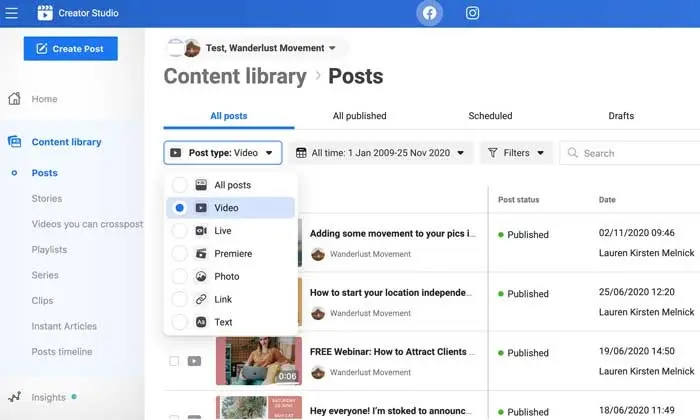
Live video deserves attention, though length matters more than “longer is always better.” Socialinsider’s current research puts the engagement sweet spot for live sessions at around 40–50 minutes. Engagement drops off past that point to roughly 0.15 percent. Ninety-one percent of businesses now use video as part of their marketing, with 93 percent calling it an important part of their strategy, according to Wyzowl’s survey.
Live video is a strong engagement tool for Groups, but keep sessions focused for the best results.
How to Get Clients from Facebook Groups
Lead generation within a Group is most effective when it’s organic and natural. Here are four ways to get clients from Facebook Groups:
- Use membership questions to identify potential clients. Ask questions like, “What are you currently struggling with?” or “What business do you run?” during the join request to spot promising leads. Then, send a direct message to welcome them.
- Position your brand as an authority through consistent, valuable posts, so members remember you when they need a product or service.
- Let Group content double as proof of expertise. A well-answered member question functions like a live case study.
- Create strategies to convert members to clients. Share a relevant offer, a free guide, or offer a consultation tied directly to a problem the Group is already discussing. Avoid doing this too frequently to maintain the value of special offers.
Members don’t want to feel sold to once they join a Group. Don’t overwhelm them with salesy posts or irrelevant offers. Notice their behavior and what members talk about, then provide well-timed, useful content and offers.
Use the Group as a Market Research Tool
Think of your Group like a focus Group that’s open 24/7.
Common questions from members can reveal gaps in your content or offerings. Recurring complaints or suggestions point directly to opportunities for new content. Poll results can inform marketing strategies without the cost of formal market research.
Monitor recurring themes in member posts so you can address the common issues in a future post or piece of content.
Occasionally, ask direct questions, like “What’s the biggest challenge you’re facing right now?” Then use the responses to shape your content strategy and product roadmap.
The members who answer are self-selected as your most engaged audience, which makes their input more useful than a generic survey.
Facilitate, Don’t Dominate
The best Facebook communities are the ones where members talk to each other, not just to the admin.
If a member asks a question that the community can answer well, let them answer it. Your job is to spark the conversation, not dominate it.
Step in when your expertise adds value that other responses didn’t offer, then focus on facilitating good discussion while enforcing community standards.
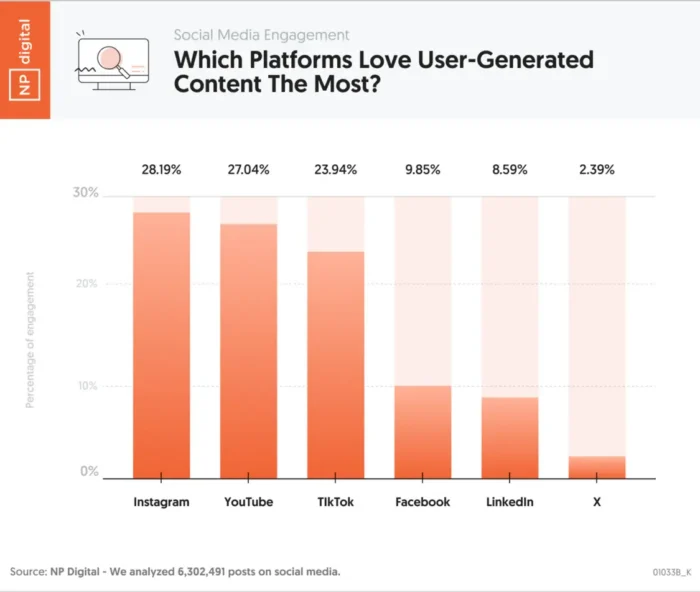
When members start answering each other’s questions and sharing their own experiences, that’s user-generated content (UGC) working for you. People often trust UGC because it feels like less of a sales pitch. It can also blend more naturally into content feeds.
UGC doesn’t perform as well on Facebook as it does on other platforms, but a well-run Group does the job for you because the conversation is between people. A Group that runs itself is the ultimate goal.
Can You Monetize a Facebook Group?
Yes, you can monetize a Facebook Group, and there’s more than one way to do it. Here are the five primary monetization models:
- Paid memberships. Charge for access to a specific Group tier that contains content, direct access to you, or a smaller, more curated community. This works best when a free Group has shown a demand for more brand resources.
- Affiliate marketing. Recommend products or tools you use and earn a commission that’s clearly disclosed to members. Trust-building is key, so only promote what you stand behind, even without the commission.
- Lead generation for services. Build relationships in the Group, then nurture engaged members who could turn into clients. This is often the highest-value model for service businesses. Forrester Research found that companies with mature lead-nurturing programs generate 50 percent more sales-ready leads at 33 percent lower cost than those without. A Facebook Group is a great way to nurture relationships without much financial investment.
- Sponsored content and brand partnerships. Once your Group has real engagement, brands may pay to reach your audience directly, like influencer sponsorships. This only works at a meaningful scale, with an audience that a sponsor wants access to.
- Sell your own products, services, or courses. A Group with consistent engagement can be a great place to offer a new product or service because members have already told you what they’re struggling with.
Remember, only monetize a Facebook Group after it has consistent engagement. A Group that feels like a storefront with little engagement may not attract or retain members. Groups are places for conversation and community first, and members want to feel valued as part of them.
How to Measure Your Facebook Group’s Success
The growth of your Facebook Group isn’t the only metric to consider when you’re figuring out how to use Facebook Groups for marketing. A Group can add hundreds of members a month and still fail to generate leads and engagement.
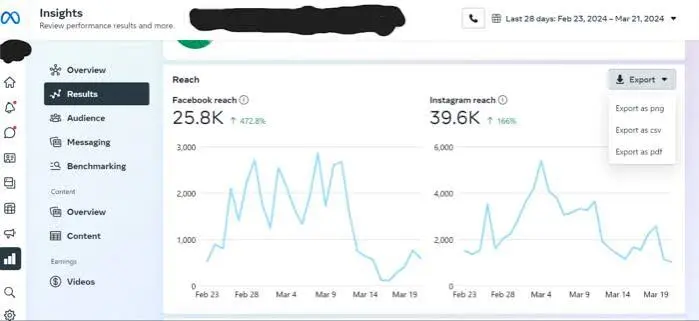
Instead, focus on metrics that show whether your Group is working. Facebook’s native Group Insights helps track the numbers:
- Active member rate shows the members actively participating in the Group.
- Growth rate shows new members over time.
- Post engagement shows comments, reactions, and shares per post.
- Top contributors represent the members driving the most discussion.
Watch the qualitative signals, too:
- Community sentiment tells you which conversations are generally positive and supportive vs. negative.
- Quality of discussion shows if members are helping each other, or if a thread is going unanswered until you personally respond.
- Direct business impact shows when members mention purchases, bookings, or referrals that are traced back to the Group.
Source
Keep in mind that Facebook Group Insights currently doesn’t integrate with most third-party social media management tools. You must pull this data natively rather than through your usual reporting dashboard.
FAQs
How can I find Facebook Groups where my target audience already spends time?
Search Facebook using terms related to your industry and your target audience’s interests and pain points.
What posting rhythm keeps members active but does not overwhelm them?
What posting rhythm keeps members active but does not overwhelm them?
Aim for a few posts a week to establish credibility and consistency, and build trust with your audience. Your posts, combined with member-driven conversation, should spark conversation and engagement.
What types of rules should I set to discourage overt selling?
Establish clear guidelines, restrict or ban self-promotion, and explicitly state that value-first posts are welcome.
What tactics prompt members to start conversations?
Asking direct questions tied to audience pain points, conducting polls, and establishing theme days are great ways to engage audiences and encourage conversation.
{
“@context”: “https://schema.org”,
“@type”: “FAQPage”,
“mainEntity”: [
{
“@type”: “Question”,
“name”: “How can I find Facebook Groups where my target audience already spends time?”,
“acceptedAnswer”: {
“@type”: “Answer”,
“text”: “
Search Facebook using terms related to your industry and your target audience’s interests and pain points.
”
}
}
, {
“@type”: “Question”,
“name”: “How do I tell if using Facebook Groups for marketing is working?”,
“acceptedAnswer”: {
“@type”: “Answer”,
“text”: “
Track active member rate and direct business impact—leads, sales, or bookings you can trace back to the Group—alongside growth. Growth without engagement or business impact isn’t success.
”
}
}
, {
“@type”: “Question”,
“name”: “What posting rhythm keeps members active but does not overwhelm them?”,
“acceptedAnswer”: {
“@type”: “Answer”,
“text”: “
What posting rhythm keeps members active but does not overwhelm them?
Aim for a few posts a week to establish credibility and consistency, and build trust with your audience. Your posts, combined with member-driven conversation, should spark conversation and engagement.
”
}
}
, {
“@type”: “Question”,
“name”: “What types of rules should I set to discourage overt selling?”,
“acceptedAnswer”: {
“@type”: “Answer”,
“text”: “
Establish clear guidelines, restrict or ban self-promotion, and explicitly state that value-first posts are welcome.
”
}
}
, {
“@type”: “Question”,
“name”: “What tactics prompt members to start conversations?”,
“acceptedAnswer”: {
“@type”: “Answer”,
“text”: “
Asking direct questions tied to audience pain points, conducting polls, and establishing theme days are great ways to engage audiences and encourage conversation.
”
}
}
]
}
Conclusion
Building a successful Facebook Group takes consistent effort, but it’s worth it. Posting questions and polls and sharing valuable resources builds trust with your audience.
Combine these efforts with clear Group rules, and you’ve got a safe community that builds excitement about your brand, generates leads, and boosts conversions.
Sustaining this type of high-quality Group will be rewarded with an owned audience that no algorithm change can take away.
Building a community-led strategy like a Facebook Group is one of the most valuable marketing assets you can have. If you want to know more about how to use Facebook Groups for marketing, NP Digital’s team can help you turn a Group that’s an afterthought into a successful growth channel.
